
Community Profile
Introduction
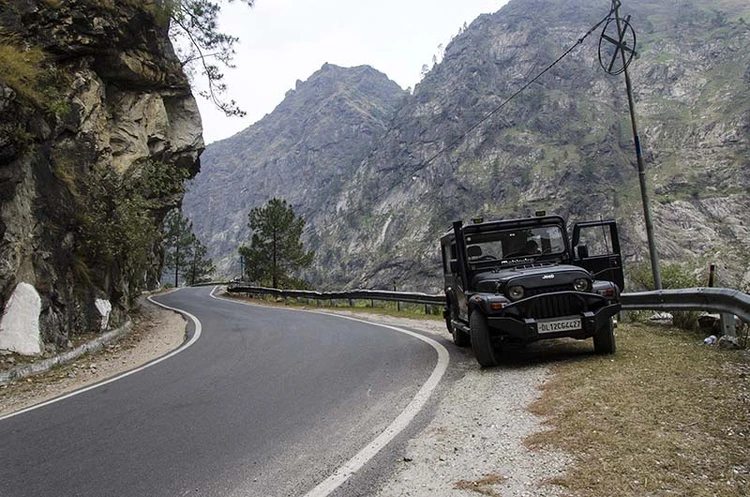
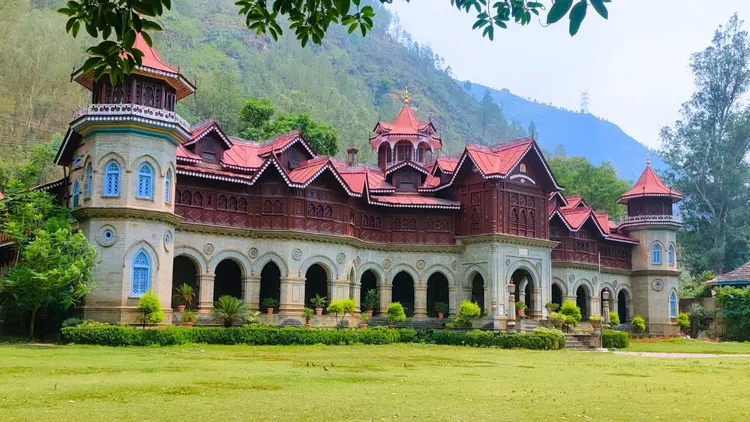
The Bushahr region is located in the hills and shares its borders with four districts of Himachal Pradesh: Kinnaur, Kullu, Mandi, and Shimla. Rampur city serves as a major trading hub for these districts. One of the main tourist attractions in the Bushahr region is the Padam Palace. About 50 kilometers from Rampur to Bhimakali Temple a popular pilgrimage site visited by many tourists. And The Satluj River flows nearby.
Location
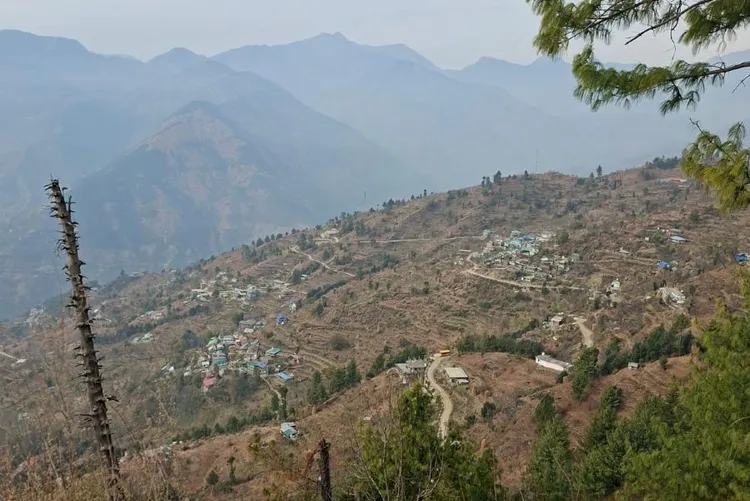
Bushahri is spoken in state Himachal Pradesh Shimla Distrcit of Tehsil Rampur, Kumarsain, Kotgarh, Taklech, Sarhan etc
Old Woman with culture Dress
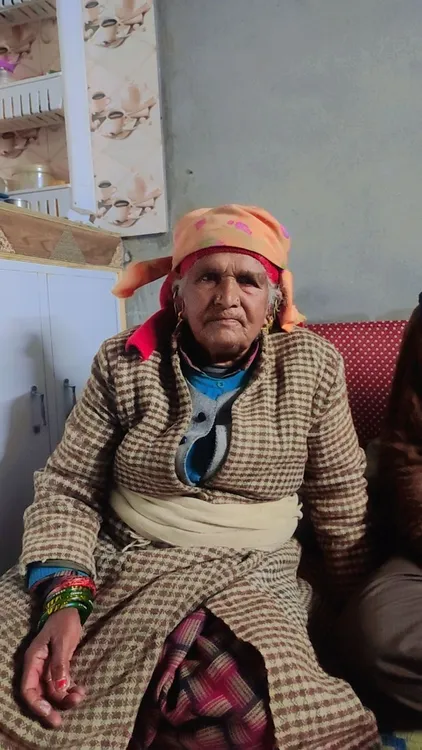
The Bushahri people, They live a simple and peaceful life, closely connected to agriculture and social traditions. Men and women have culture dress.
Houses
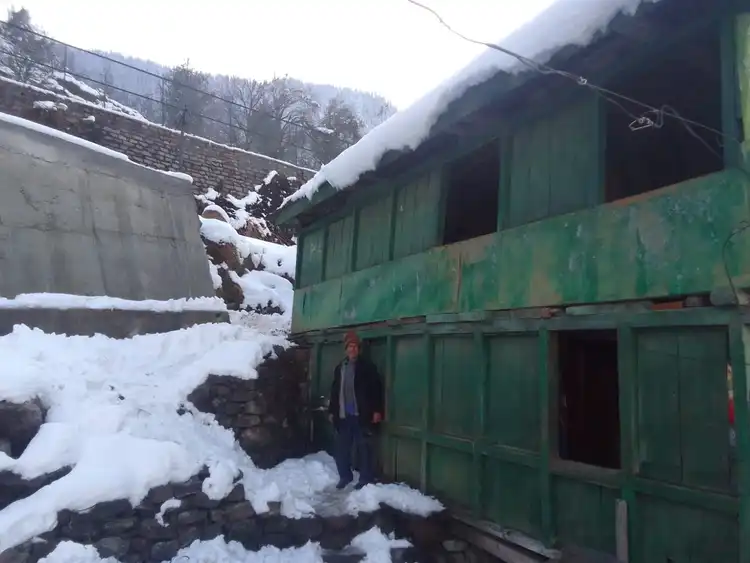
Bushahri people of Upper Shimla, especially in places like Rampur, are known for their clean and beautiful houses. Their homes are built in a traditional Himalayan style, made to suit the cold weather, hilly land, and local way of life. Most of their old houses are made from local natural materials that are good for the environment and strong enough to handle harsh weather.
Wood (like Deodar or Pine) is used for walls, ceilings, doors, and decorations. Grey slate stones are used for roofs because they are strong and work well in snow. Kath-Kuni style is a special way of building using layers of wood and stone. This keeps the house warm and helps it stay safe during earthquakes.
Occupation
Majority of them are farmers, apple is the major crop in the region
Literacy Rate
90%
Population
2.5 Lac
History of the Bushahr Region
The Bushahr region is one of the oldest areas of Himachal Pradesh. It was once an independent princely state with Rampur Bushahr as its capital. Bushahr was an important trade center between Tibet and India, which brought prosperity to the region. During British rule, it remained a princely state under British influence. After India’s independence in 1947, Bushahr became part of Himachal Pradesh. Today, the region is known for its rich culture, Bushahri language, traditions, and apple farming.
Ancient Period
Bushahr was an independent princely state in ancient times. According to local traditions, the region existed even before the Mahabharata period. The people lived in close harmony with nature and followed their own customs, language, and social system.
Bushahr Kingdom
The Bushahr Kingdom was ruled by the Bushahr royal family for many centuries. Rampur Bushahr became the capital and an important center for administration and trade. The kings supported art, culture, temples, and local traditions, which helped preserve the unique identity of the region.
Trade and Cultural Importance
Bushahr was an important trade route between Tibet and India. Traders exchanged wool, salt, dry fruits, and grains. This trade brought prosperity and cultural exchange, making Bushahr a well-known region in the Himalayan belt.
British Period
During British rule, Bushahr remained a princely state but came under British influence. Rampur Bushahr became famous for its trade fairs and connections with neighboring hill states. The British recognized the strategic and economic importance of the region.
After Independence
After India’s independence in 1947, Bushahr was merged into Himachal Pradesh. Over time, the region developed in education, roads, and agriculture, especially apple farming, which became a major source of livelihood.
Present Day
Today, Bushahr is known for its rich cultural heritage, Bushahri language, traditional dress, festivals, temples, and natural beauty. Despite modernization, the people continue to value their history and traditions.